Transform Your Home: Guidelines for Choosing the Right Kitchen Remodeling Contractor
Locating the perfect kitchen renovation contractor is essential for a remarkable home remodel. A quality contractor not only perceives the vision but also brings the necessary skills and experience to the project. Many variables influence when choosing a contractor, from validating credentials to evaluating past work. Understanding these elements can greatly impact the outcome. What should homeowners stress in their search, and how can they guarantee a smooth collaboration?
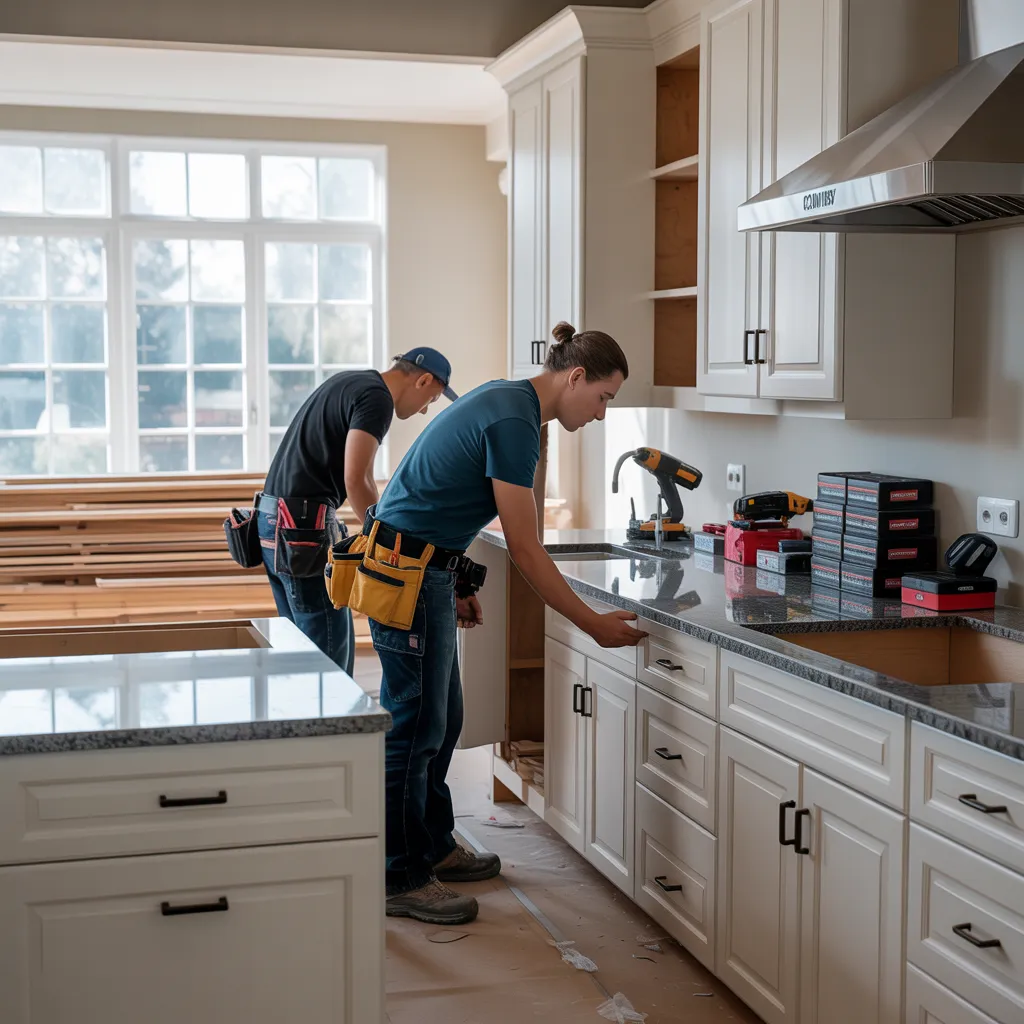
Essential Qualities of a Good Home Renovation Contractor
A proficient remodeling contractor functions as the cornerstone of any effective kitchen renovation. Their knowledge not only leads the project but also ensures that it aligns to the homeowner's vision. Key qualities to look for effective communication skills, which help them share ideas and updates effectively. Meticulous attention is necessary, as it impacts both visual appeal and functionality. A good contractor also exhibits solid project coordination skills, managing timelines, budgets, and subcontractors effectively. Reliability is vital; they should consistently meet deadlines and keep commitments. Furthermore, a good grasp of contemporary design styles and materials enables them to offer valuable insights. Finally, a respected contractor builds strong relationships with clients, encouraging trust and collaboration throughout the renovation process. These qualities collectively contribute to a well-managed and successful kitchen remodeling experience.
Evaluating Credentials and Experience of Potential Contractors
Verifying the credentials and background of potential contractors is essential for ensuring a smooth kitchen remodeling project. Homeowners must initially verify the proper licenses, which demonstrate the contractor’s compliance with local laws and industry norms. Moreover, insurance coverage is vital, providing protection to both parties against accidents or damages occurring during the renovation.
Experience in related endeavors is another significant element. Contractors should deliver a portfolio featuring past work, preferably in kitchen remodels, to demonstrate their capabilities. Client testimonials and testimonies can also deliver insights into the contractor's integrity and workmanship.
Moreover, trade associations with organizations such as the National Kitchen and Bath Association can indicate a commitment to superior standards and lifelong learning in the field. By carefully examining qualifications and experience, clients can determine their best option, limiting risks and heightening the likelihood of a successful kitchen transformation.
Uncovering Proven Remodeling Contractors
Locating reliable remodeling contractors is critical for a successful kitchen makeover. It is necessary to check their credentials and permits to confirm they meet industry standards. Additionally, asking for recommendations can provide insights into a contractor's reputation and prior project excellence.
Review Qualifications And Certifications
Before engaging a remodeling builder, homeowners should verify that the professional maintains the necessary certifications and licenses. It is important to take this step to ensure the professional's qualification and compliance with local rules. Homeowners can begin by checking for state-issued licenses, which can show a contractor's level of expertise and reliability. Furthermore, credentials from industry bodies can help confirm a contractor's expertise and commitment to excellence. Inquiring about insurance coverage such as liability and workers' compensation is also advised to guard against potential risks. Homeowners who take time to confirm these qualifications can make smarter decisions, thus minimizing the chance of hiring unqualified contractors additional information for their kitchen remodeling projects.
Request Recommendations
local professional organizations for additional suggestions, as these groups often have reviewed lists of professionals
Key Questions to Pose to Your Home Renovation Contractor?
What vital inquiries should homeowners consider when hiring a remodeling contractor? First, they should ask about the contractor's background with kitchen remodels, including the number of related projects completed. Homeowners should also ask about permits and insurance to guarantee adherence with local regulations and protection against liabilities. Understanding the contractor's schedule for completing the project is vital, as is asking about the expected payment terms.
Additionally, property owners should request testimonials from past clients to assess satisfaction and dependability. It's crucial to discuss the builder's approach to managing unforeseen issues that may arise during the renovation. Homeowners should also confirm what supplies will be utilized and whether they are included in the initial estimate. Finally, talking through communication methods throughout the renovation can foster a smoother remodeling experience. These inquiries help establish confidence and ensure that expectations are in sync from the beginning.
Analyzing Contractor Price Estimates
Homeowners should be cautious with quotes considerably cheaper than alternatives; these might suggest hidden costs or subpar materials. On the other hand, a higher estimate does not always guarantee superior quality. It is critical to consider the total worth rather than just the fee. Instructing contractors to elaborate on vague terms can better assist in obtaining an educated conclusion. Finally, this detailed evaluation confirms that homeowners select a contractor who matches their spending limits and job aspirations.
Steps to Establish a Solid Professional Bond With Your Contractor
Creating a robust relationship with a contractor is essential for a successful kitchen remodel. Transparent dialogue channels, achievable expectations, and shared trust and respect establish the foundation of this partnership. Creating these elements early on can lead to a more efficient renovation process and better outcomes.
Create established messaging structures
Developing effective communication channels is crucial for a successful kitchen remodeling project. Effective communication promotes trust and teamwork between homeowners and contractors. It is important for both parties to decide communication preferences, whether through emails, phone calls, or text messages. Consistent communications and follow-ups can help address concerns quickly and keep the project moving forward. Homeowners should prepare a compilation of questions and expectations to convey to their contractors, assuring that all parties remain coordinated. Additionally, establishing a joint schedule for project milestones can promote accountability. By encouraging open dialogue, homeowners and contractors can handle challenges more productively, ultimately resulting in a enhanced remodeling experience and a successful outcome.
Agree on Realistic Expectations Together
It is vital to set reasonable expectations to develop a healthy working relationship between homeowners and contractors. Transparent communications about project timelines, budgets, and design goals can avoid misunderstandings. Homeowners should communicate their vision, while staying open to professional advice, enabling contractors to share insights drawn from experience. Creating a detailed project scope is critical, as it sets responsibilities and deliverables, encouraging accountability. Regular check-ins during the remodeling process also confirm that both parties remain aligned. Setting achievable milestones and being pragmatic about potential challenges allows homeowners and contractors to partner effectively, reducing stress and increasing overall satisfaction with the project. This forward-thinking approach lays the groundwork for a positive and harmonious remodeling experience.
Build Mutual Faith And Respect
Trust and respect represent the cornerstones of a effective working relationship between homeowners and contractors. Creating clear exchange is necessary; homeowners should articulate their vision while contractors need to provide truthful input and timelines. Consistent updates help in ensuring clarity, which further strengthens trust. Valuing one another's skills is vital, as homeowners should appreciate the contractor's abilities, while the contractor should honor the homeowner's preferences. Addressing concerns promptly and professionally creates a favorable work environment. Additionally, defining parameters, such as work hours and communication methods, can reduce miscommunication. By building an context of shared faith and regard, both parties can collaborate effectively, ensuring a smoother remodeling process and a positive outcome.
Common Inquiries Asked
What Should I Do About Conflicts With My Remodeling Contractor?
To deal with disagreements with a renovation expert, one should speak openly, keep records of all exchanges, and pursue an answer through dialogue. If needed, engaging a neutral party or legal advice may also be advantageous for resolving significant issues.
What Is the Common Timespan for a Kitchen Remodel?
A standard kitchen remodel schedule extends from six to twelve weeks, influenced by the project scope. Aspects such as design complexity, sourcing of materials, and contractor efficiency can influence this duration substantially throughout the process.
What Unexpected Costs Should I Be Aware Of?
Kitchen remodeling often involves hidden costs such as unexpected structural issues, permit fees, appliance upgrades, and labor costs. It's critical for homeowners to prepare financially for these likely expenses to circumvent financial strain during the project.
Can My Home Occupied During the Remodeling Work?
Yes, residents can often occupy their homes during renovations, though it may be inconvenient. It's important to communicate with contractors about specific areas impacted to lessen disruption and ensure security throughout the undertaking.
What Decorative Styles Are Currently Gaining Popularity for Kitchens?
The modern farmhouse, understated, and industrial styles dominate for kitchens. Features including open shelving, natural materials, and bold colors strengthen functionality while showcasing personal aesthetics, making these designs both practical and visually appealing.